

 Austria
  Belgium
  Bulgaria
  Denmark
  France
  Germany
  Italy
Italy  Netherlands
  Poland
  Portugal
  Romania
  Russia
  Serbia
  Spain
Spain  Turkey
  United Kingdom
  Ukraine
  China
China  Mexico
  Morocco
  West Africa
Regenerative Agriculture🌱Episode 1– Seed production

Regenerative agriculture is now seen as a key lever for restoring soil fertility and improving farm resilience. How can it be adapted to seed production without compromising yields? In 2024, MAS Seeds is accelerating its trials on its pilot farms.
The goal: test, measure, adapt.
- Experimenting with regenerative farming practices in real conditions.
- Assessing the impact on soils, biodiversity, and water resources.
- Maintaining agronomic performance while reducing the carbon footprint.
💡 A major challenge: producing more sustainable seeds without compromising productivity.
Discover other news and media
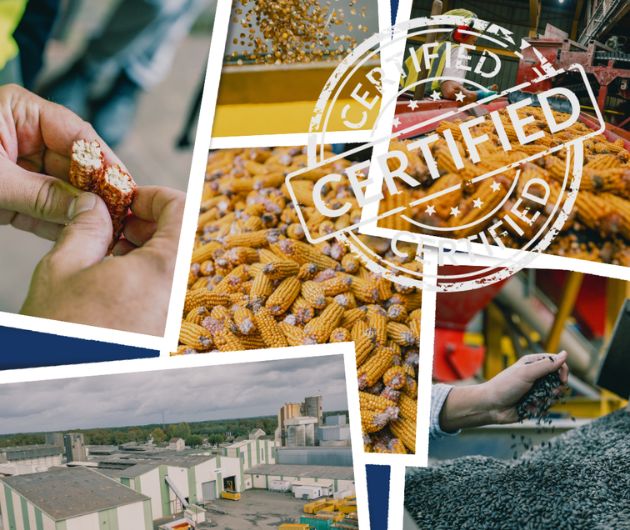
The Haut-Mauco industrial industrial site (France) has achieved ISO 50001 certification following an audit carried out by AFNOR Certification. This recognition rewards several years of collective work to better monitor, manage and reduce our energy consumption. A Long-Term Transformation Project This certification is part of the Maïsadour Group’s Ambition 2030 roadmap and MAS Seeds’ commitment […]
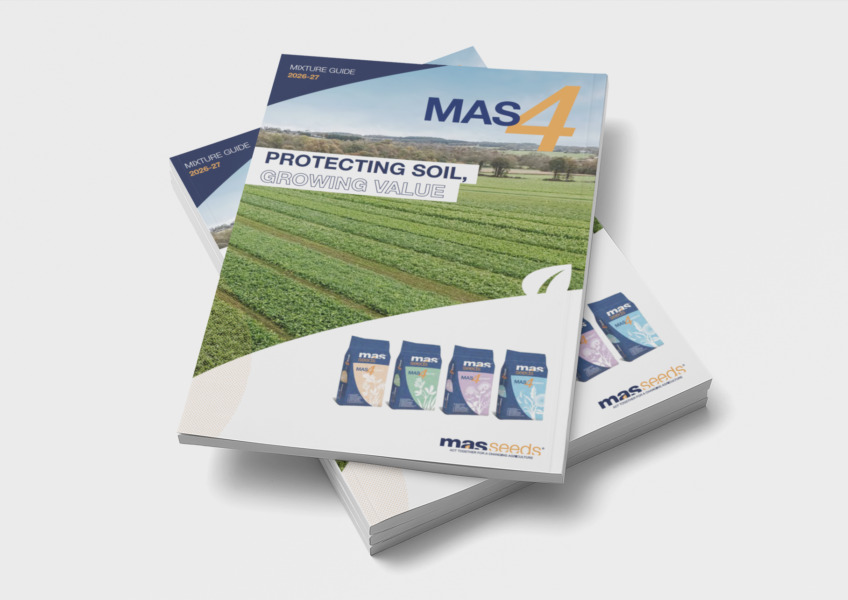
Protecting soil, growing value! MAS4 Seed Mixture Guide presents the seed mixture portfolio for a changing agriculture. The guide also lays out our convictions and our portfolio strategy. MAS4 COVER portfolio includes a wide range of cover and intercrops. MAS4 NUTRI portfolio consists of fodder mixtures for different cultivation practices or uses. MAS4 EXPERT portfolio […]
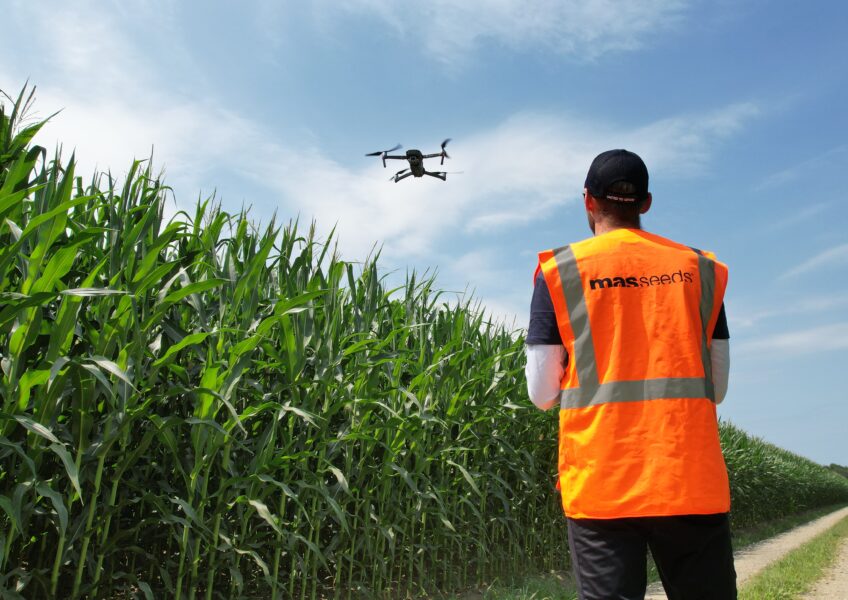
As farming conditions become increasingly unpredictable, we believe plant breeding must anticipate tomorrow’s challenges rather than simply respond to today’s. By combining genetics, environmental modelling, advanced phenotyping and data science, we develop reliable varieties that help farmers maintain performance in changing conditions. Breeding for the field of tomorrow To build resilient crops, we start by […]