

 Austria
  Belgium
  Bulgaria
  Denmark
  France
  Germany
  Italy
Italy  Netherlands
  Poland
  Portugal
  Romania
  Russia
  Serbia
  Spain
Spain  Turkey
  United Kingdom
  Ukraine
  China
China  Mexico
  Morocco
  West Africa
Experimental Farms for Regenerative Agriculture Research
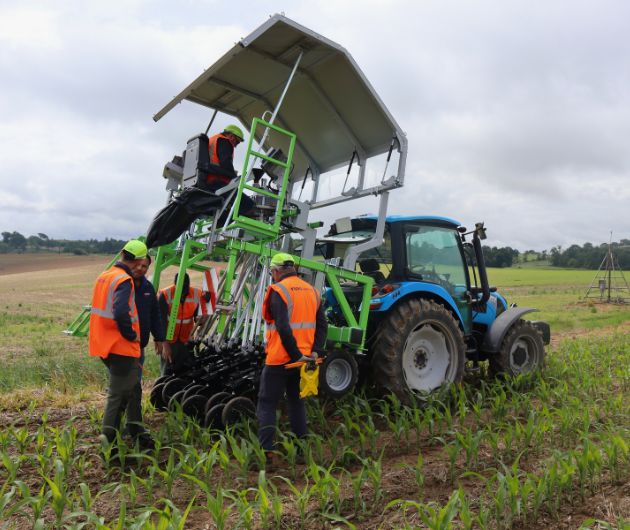
In 2026, the R&D department has structured a network of experimental farms dedicated to regenerative agriculture research.
Why set up experimental farms?
Regenerative agriculture relies on a holistic, farm-scale approach to crop rotations and long-term planning.
However, traditional R&D methods, based on field-scale trials conducted over a single growing season, do not allow for a full understanding of interactions between different practices and long-term effect.
Experimental farms enable us to test our innovations in micro-plots and then conduct large-scale trials under real conditions, using farmers’ equipment, in order to validate benefits and scalability..
Partner farmers at the heart of the system
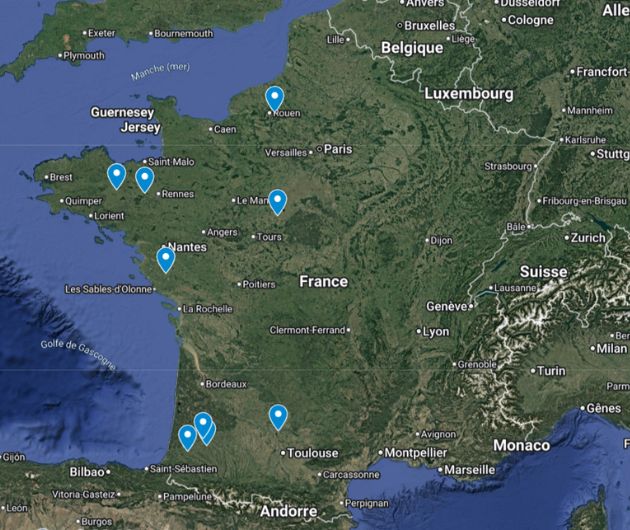
The network is composed of 9 farms, spread from the Landes region to Normandy (France), representing diverse soil and climate conditions and cropping systems.
These farms were selected for their long-standing commitment to conservation agriculture (CA) or simplified cultivation techniques (SCT), some for over 30 years.
Their expertise is a key driver for developing solutions tailored to real-world conditions.
Three R&D programs deployed within the network
The research conducted on the farms is structured around three main programs:
- Developing solutions that combine agronomy and genetics to support the transition of maize and sunflower. As an exemple, the COMPAMAÏS program focuses on combination of maize varieties and companion plants.
- Developing cover crops and forage mixtures, with a strong focus on how they fit into rotations, adapt to soils, and impact the following crops.
- Running maize and sunflower varietal trials to identify which genetics perform best under regenerative farming conditions.
“In 2026, the goal is to establish the foundations of a working relationship with each farmer participating in the program.In 2027, the aim will be to foster the network in order to encourage the exchanges between farmers, the sharing of experiences, and collective learning around the innovations being tested.”
Marie Boncompain, R&D Project Manager
Discover other news and media
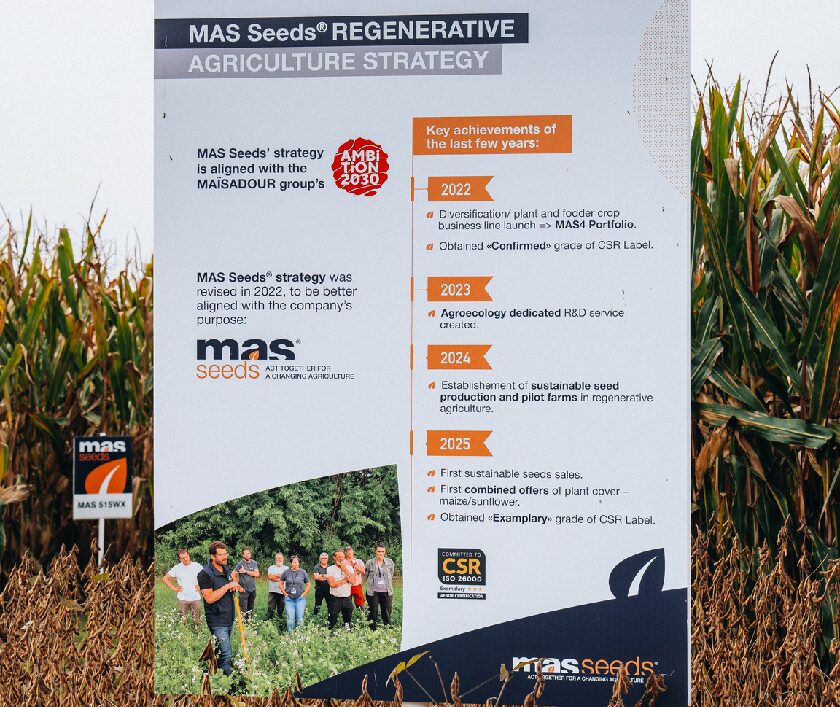
For MAS Seeds, regenerative agriculture is not only about the solutions we offer to farmers. It is also about the way we work across the whole seed value chain. Our strategy is to deploy regenerative agriculture in all key departments: R&D, production and business. 🧪 R&D: Developing solutions that combine agronomy and genetics🚜 Production: new […]
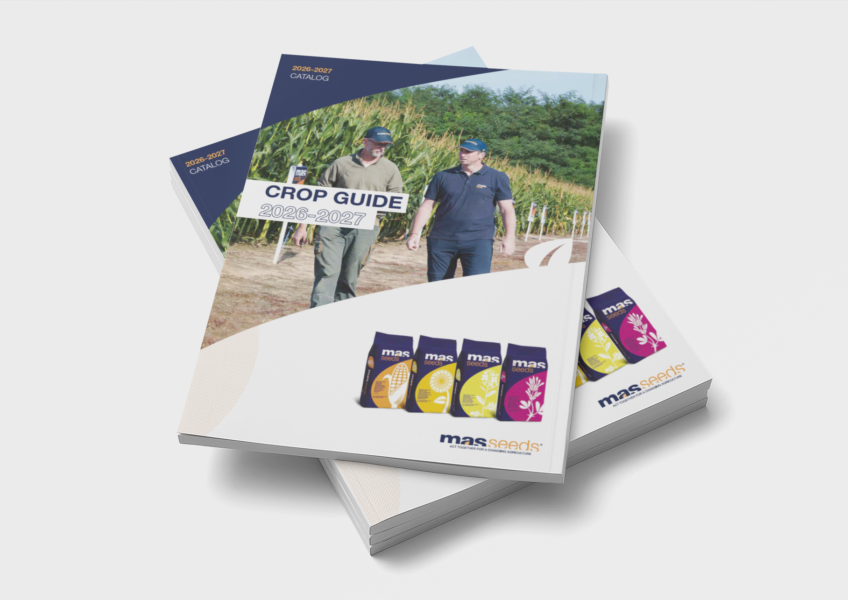
Explore our Crop and Service Guide to discover our solutions for maize, sunflower, oilseed rape, and alfalfa. Designed to support high-performing and sustainable farming systems, our offering combines advanced genetics, including WATERLOCK® and GREEN+® for maize, HelioSMART® and NO RUST® for sunflower, with tailored agro-services such as NUTRIPLUS® services for dairy farmers and AGROPLUS® services […]
With around 1.2 million hectares of sunflower, the Romanian market remains stable and highly strategic. But behind this potential, growers are looking for hybrids able to answer several needs at once: herbicide tolerance, broomrape tolerance and mildew resistance. In some areas, more than 30% of sunflower fields are under high broomrape pressure, while mildew also […]