

 Austria
  Belgium
  Bulgaria
  Denmark
  France
  Germany
  Italy
Italy  Netherlands
  Poland
  Portugal
  Romania
  Russia
  Serbia
  Spain
Spain  Turkey
  United Kingdom
  Ukraine
  China
China  Mexico
  Morocco
  West Africa
MAS Seeds Pilot Farms: Year two overview
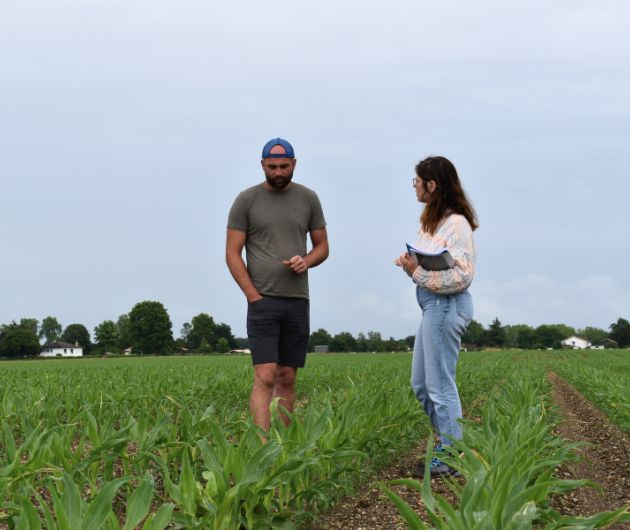
To secure seed production in an increasingly unpredictable climate, MAS Seeds launched in 2024 a network of pilot farms dedicated to testing regenerative agriculture practices. The goal: identify the most relevant technical pathways to restore soil health while maintaining crop productivity, based on real field conditions.
In 2025, trials focused on four main levers:
- nitrogen fertilization adjustment,
- reduced tillage,
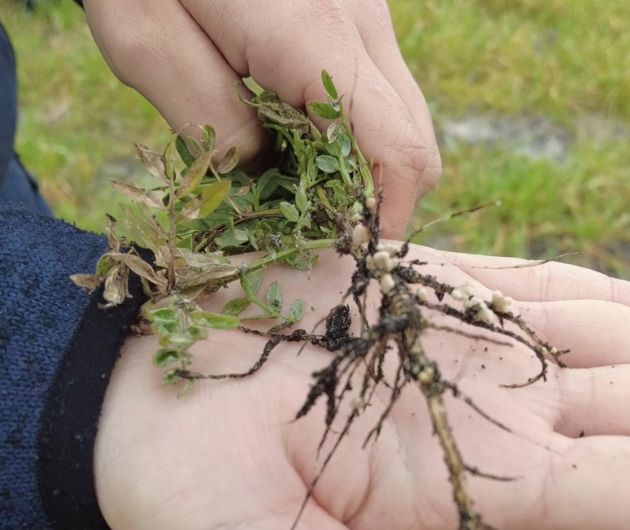
- stimulation of soil biology,
- and the use of cover crops.
Six plots (90 ha) were used to evaluate protected nitrogen fertilizers, designed to reduce volatilization and improve nitrogen efficiency while lowering the carbon footprint.
Reduced tillage practices were tested on four plots (104 ha) to support the transition toward simplified cultivation techniques.
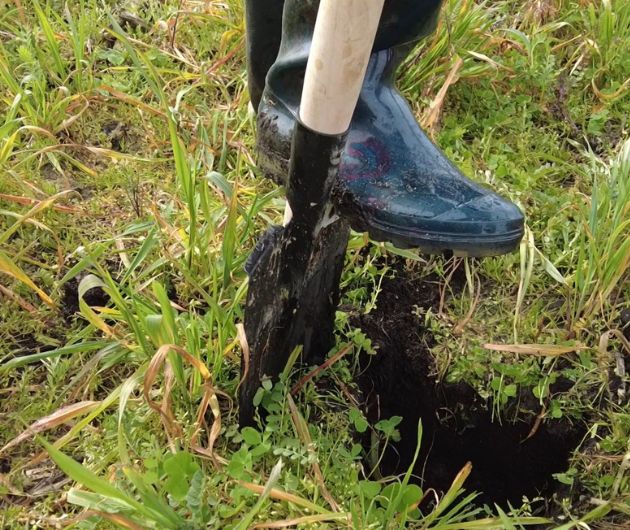
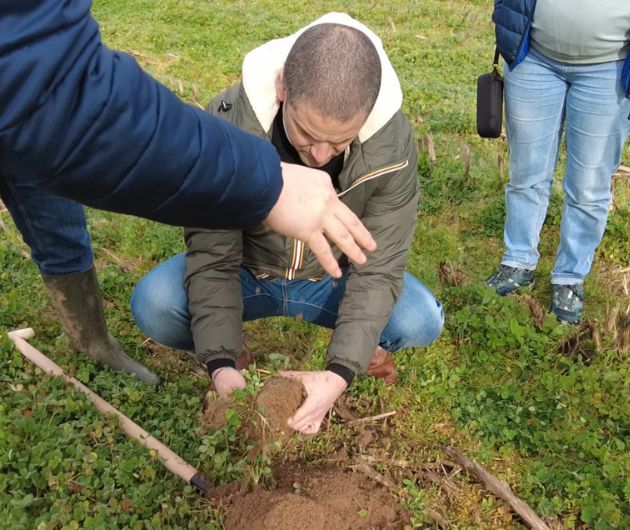
To boost soil biological activity, 500 tons of wood chips were applied on 130 ha; soil analyses will track their long‑term impact.
Cover crops were assessed on eight plots (130 ha) to measure their contribution to soil protection, structure, and biomass return between cash crops.
The ambition is clear: 100% regenerative seed production by 2028.
Promising first measured results
Initial results show positive effects of regenerative practices on carbon balance and production costs. Productivity trends are encouraging, though long‑term confirmation is still needed.
Farms testing nitrogen modulation recorded an average +24% carbon sequestration and around –10% GHG emissions. Reduced tillage generated +30% carbon storage compared with conventional practices. Cost savings were also noted: €28/ha for reduced tillage and €7/ha for nitrogen modulation.
Productivity shows an upward trend, although conclusions remain tentative due to variables such as varieties, field conditions, and weather. Some trials could not be completed, which is part of the learning process and will help refine future protocols.
A strong transition already underway
The 2024 trials helped define a regenerative seed‑production framework, structured into three levels of commitment and refined each year based on pilot‑farm results.
In 2025, 25% of producers reached level 1, which includes maintaining permanent soil cover. The ambition is clear: 100% regenerative seed production by 2028.
Discover our newsletter
The market news from a seed company dedicated to Regenerative Agriculture. Every quarter, you’ll receive insights that matter most to your farm:
- Real field feedback from growers like you
- Updates on our latest projects and innovations
- Clear agronomic signals for the season
Move toward a more sustainable future with us 🌱.
Discover other news and media

The Haut-Mauco industrial industrial site (France) has achieved ISO 50001 certification following an audit carried out by AFNOR Certification. This recognition rewards several years of collective work to better monitor, manage and reduce our energy consumption. A Long-Term Transformation Project This certification is part of the Maïsadour Group’s Ambition 2030 roadmap and MAS Seeds’ commitment […]

Protecting soil, growing value! MAS4 Seed Mixture Guide presents the seed mixture portfolio for a changing agriculture. The guide also lays out our convictions and our portfolio strategy. MAS4 COVER portfolio includes a wide range of cover and intercrops. MAS4 NUTRI portfolio consists of fodder mixtures for different cultivation practices or uses. MAS4 EXPERT portfolio […]

As farming conditions become increasingly unpredictable, we believe plant breeding must anticipate tomorrow’s challenges rather than simply respond to today’s. By combining genetics, environmental modelling, advanced phenotyping and data science, we develop reliable varieties that help farmers maintain performance in changing conditions. Breeding for the field of tomorrow To build resilient crops, we start by […]