

 Austria
  Belgium
  Bulgaria
  Denmark
  France
  Germany
  Italy
Italy  Netherlands
  Poland
  Portugal
  Romania
  Russia
  Serbia
  Spain
Spain  Turkey
  United Kingdom
  Ukraine
  China
China  Mexico
  Morocco
  West Africa
New Genomic Techniques (NGT) – Reinventing Plant Breeding

Behind the technical acronym NGT, for New Genomic Techniques, lies a true evolution in plant breeding. Faster than traditional crossing, more precise than chemical mutagenesis, and above all achieved without inserting foreign genes, this technology pushes the boundaries of innovation and agronomic performance.
Since December 2025, the European Commission, the Council and the European Parliament have reached a provisional agreement paving the way for a regulatory framework allowing their use, with the aim of strengthening the competitiveness, sustainability and sovereignty of agricultural and food sectors.
Targeted modifications, comparable to nature
NGTs make it possible to introduce targeted genetic modifications, similar to mutations that could occur naturally, without adding genes from other species. Imagine correcting a few letters in a text — that’s exactly how a tool like CRISPR works on DNA. The result? A plant that expresses the desired trait from the very first generation, with unprecedented precision.
Unlike traditional methods, which rely on multiple rounds of crossing or exposure to chemical agents to generate thousands of random mutations, NGTs precisely target the gene to be modified. This allows us to work directly on specific genes associated with traits of interest (disease resistance, tolerance to drought or heat, nutritional value, etc.), more quickly and with greater accuracy.
A valuable asset in the face of climate change
As climate conditions become increasingly unpredictable, producers need resilient and high-performing varieties. NGTs make it possible to create such plants faster and with exceptional precision, offering effective solutions to real‑world challenges. They provide targeted, crop‑specific adaptations and will be a major asset for securing yields and optimizing agricultural practices.

“NGTs represent a major breakthrough for plant breeding. These technologies, complementing existing tools, will enhance our ability to offer solutions tailored to the evolving needs of agriculture, with greater precision and within timelines that match field realities.”
Benoît Pétiard, Head of R&D – MAS Seeds

Find a product
Discover a sustainable portfolio for diversification and regenerative agriculture : maize, sunflower, alfalfa, oilseed rape, soybean, forage and cover mixtures.

Contact us
Our local teams visit farms and distributors on-site to give you the best advice for your location. Find your local MAS Seeds consultant by visiting a country website or fill out our contact form here.
The latest news and media
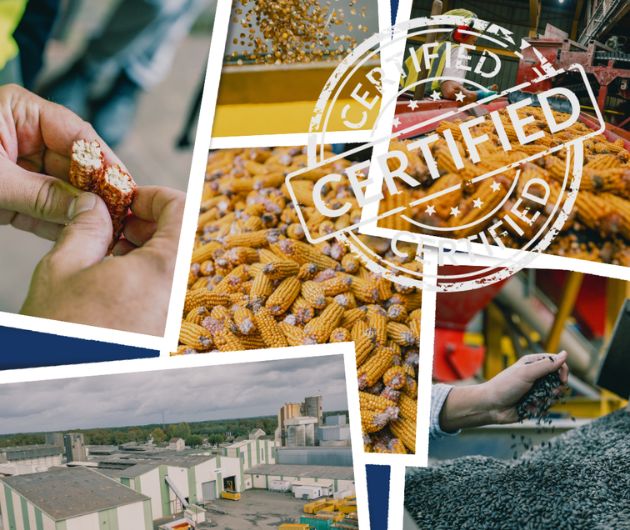
The Haut-Mauco industrial industrial site (France) has achieved ISO 50001 certification following an audit carried out by AFNOR Certification. This recognition rewards several years of collective work to better monitor, manage and reduce our energy consumption. A Long-Term Transformation Project This certification is part of the Maïsadour Group’s Ambition 2030 roadmap and MAS Seeds’ commitment […]
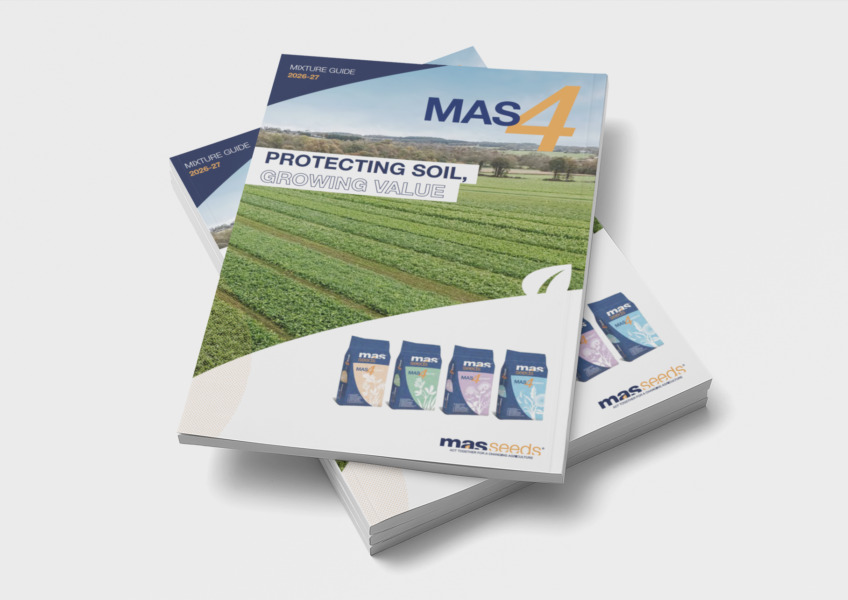
Protecting soil, growing value! MAS4 Seed Mixture Guide presents the seed mixture portfolio for a changing agriculture. The guide also lays out our convictions and our portfolio strategy. MAS4 COVER portfolio includes a wide range of cover and intercrops. MAS4 NUTRI portfolio consists of fodder mixtures for different cultivation practices or uses. MAS4 EXPERT portfolio […]
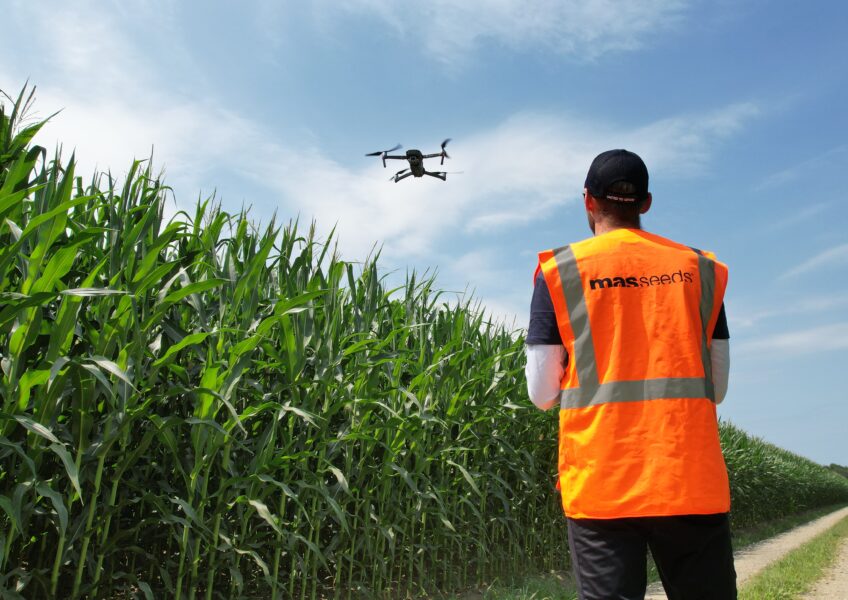
As farming conditions become increasingly unpredictable, we believe plant breeding must anticipate tomorrow’s challenges rather than simply respond to today’s. By combining genetics, environmental modelling, advanced phenotyping and data science, we develop reliable varieties that help farmers maintain performance in changing conditions. Breeding for the field of tomorrow To build resilient crops, we start by […]
Discover other news and media
The Haut-Mauco industrial industrial site (France) has achieved ISO 50001 certification following an audit carried out by AFNOR Certification. This recognition rewards several years of collective work to better monitor, manage and reduce our energy consumption. A Long-Term Transformation Project This certification is part of the Maïsadour Group’s Ambition 2030 roadmap and MAS Seeds’ commitment […]
Protecting soil, growing value! MAS4 Seed Mixture Guide presents the seed mixture portfolio for a changing agriculture. The guide also lays out our convictions and our portfolio strategy. MAS4 COVER portfolio includes a wide range of cover and intercrops. MAS4 NUTRI portfolio consists of fodder mixtures for different cultivation practices or uses. MAS4 EXPERT portfolio […]
As farming conditions become increasingly unpredictable, we believe plant breeding must anticipate tomorrow’s challenges rather than simply respond to today’s. By combining genetics, environmental modelling, advanced phenotyping and data science, we develop reliable varieties that help farmers maintain performance in changing conditions. Breeding for the field of tomorrow To build resilient crops, we start by […]