

 Austria
  Belgium
  Bulgaria
  Denmark
  France
  Germany
  Italy
Italy  Netherlands
  Poland
  Portugal
  Romania
  Russia
  Serbia
  Spain
Spain  Turkey
  United Kingdom
  Ukraine
  China
China  Mexico
  Morocco
  West Africa
MAS Seeds® History

The seed branch of Maïsadour® Group was created in 1949, few years after the creation of farmers co-operative in 1936 in south-west of France. The ambition was strong: create, produce and supply high-quality maize hybrids to a fast expanding French market. For 75 years, this adventure has continued with great success. MAS Seeds® varieties have gradually been cultivated all over France and Europe, and now also in Asia, Americas and Africa. Yet we stay loyal to our founding values and our close relationship with the farmers. Farmers who are not only our customers but also our cooperative members. This motivates our teams every day to develop solutions to increase farms’ sustainability and profitability while optimizing crop yield & quality.
Nowadays, MAS Seeds® has become an international seed company with activities not only in maize but also sunflower, oilseed rape and alfalfa and many others. With these new challenging ambitions, a total re-branding was done in 2018 with a new name and a new face, still attached to its history but better suited to the international platform and corresponding to our diverse business activities.
In 2023, our purpose Act Together for a Changing Agriculture becomes the news baseline of our brand to highlight our ambition to contributing to the agroecological transition to the maximum degree possible, as we are convinced it is the right way to go.

Research & Development
You want to learn more about R&D at MAS Seeds?
Discover other news and media
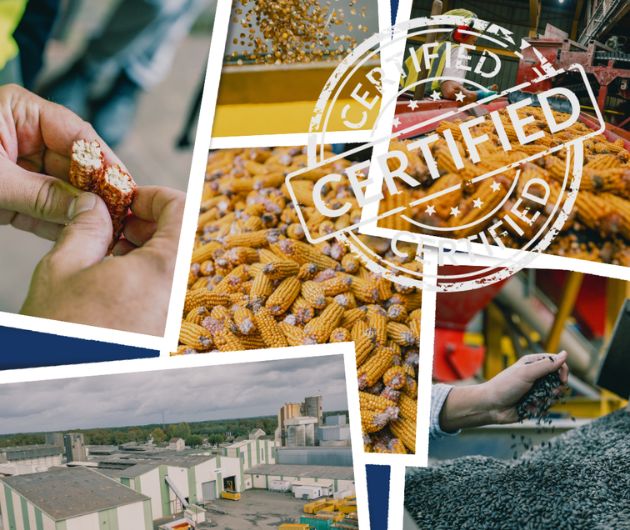
The Haut-Mauco industrial industrial site (France) has achieved ISO 50001 certification following an audit carried out by AFNOR Certification. This recognition rewards several years of collective work to better monitor, manage and reduce our energy consumption. A Long-Term Transformation Project This certification is part of the Maïsadour Group’s Ambition 2030 roadmap and MAS Seeds’ commitment […]
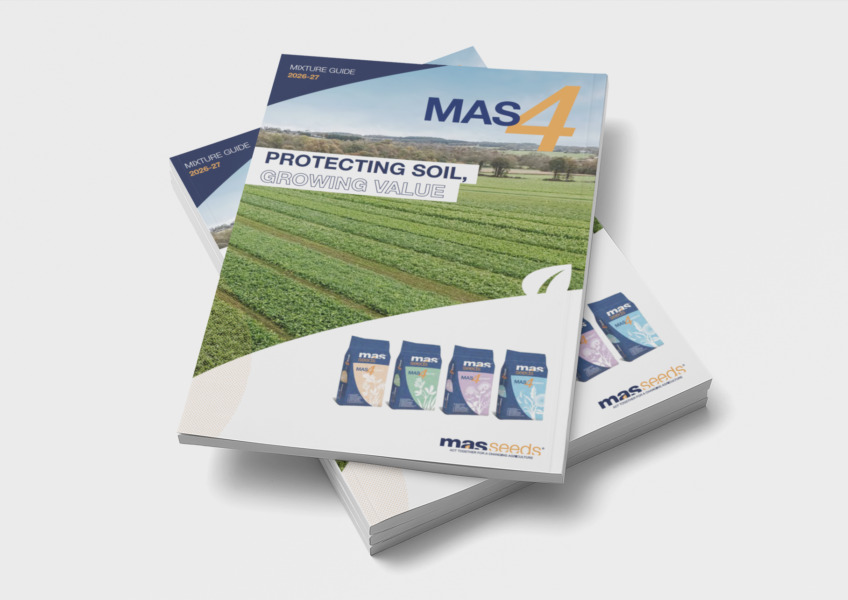
Protecting soil, growing value! MAS4 Seed Mixture Guide presents the seed mixture portfolio for a changing agriculture. The guide also lays out our convictions and our portfolio strategy. MAS4 COVER portfolio includes a wide range of cover and intercrops. MAS4 NUTRI portfolio consists of fodder mixtures for different cultivation practices or uses. MAS4 EXPERT portfolio […]
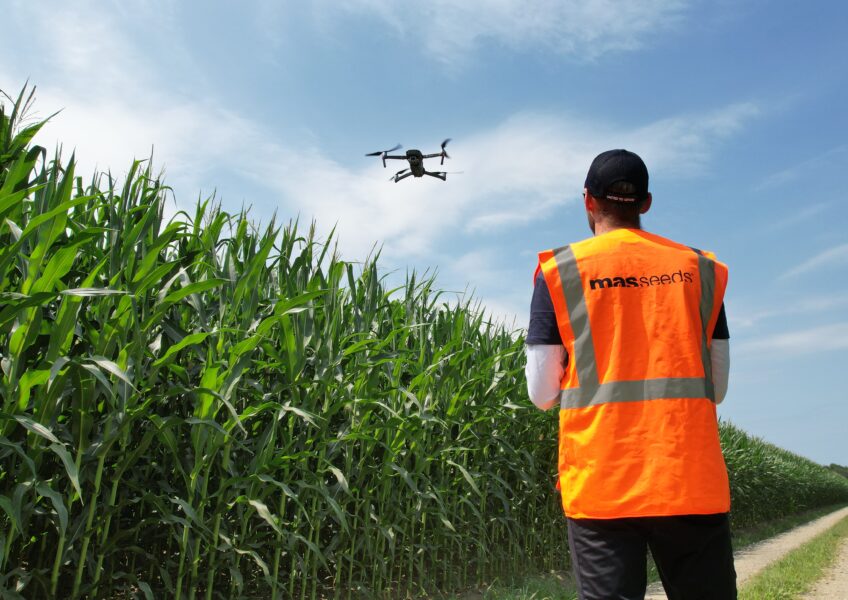
As farming conditions become increasingly unpredictable, we believe plant breeding must anticipate tomorrow’s challenges rather than simply respond to today’s. By combining genetics, environmental modelling, advanced phenotyping and data science, we develop reliable varieties that help farmers maintain performance in changing conditions. Breeding for the field of tomorrow To build resilient crops, we start by […]