

 Austria
 Belgium
 Bulgaria
 Denmark
 France
 Germany
 Italy
 Netherlands
 Poland
 Portugal
 Romania
 Russia
 Serbia
 Spain
 Turkey
 United Kingdom
 Ukraine
 China
 Mexico
 Morocco
 West Africa

How AI is accelerating plant breeding innovation
Each year, MAS Seeds’ breeding programmes generate vast amounts of data from field trials, agronomic observations, and genetic analyses. To help its teams unlock the full value of this information, MAS Seeds has partnered with Ploid to integrate artificial intelligence into its analytical workflows. The collaboration aims to make advanced analyses more accessible, helping researchers accelerate discovery and contribute to the development of the crop varieties of tomorrow.
The challenge: making sense of growing amounts of data
Over the past decade, plant breeding has become increasingly data-intensive. Genotyping costs have decreased, new phenotyping technologies have emerged, and the volume of biological information available to breeders and scientists has grown dramatically.
This is exciting, but it also creates a challenge.
Generating data is no longer the limiting factor. The real challenge is extracting meaningful insights from that data quickly enough to support the development of tomorrow’s crop varieties.
In innovation, speed matters. The value of an insight is not only determined by its quality, but also by when it becomes available. The earlier researchers can access actionable knowledge, the greater their ability to explore new ideas, refine strategies, and drive meaningful progress.
At MAS Seeds, we have been asking ourselves a simple question: how can we help our researchers turn data into useful insights more quickly, so they can spend less time waiting for results and more time driving innovation?
Helping researchers move faster from data to insight
To help address this challenge, MAS Seeds recently partnered with Ploid to deploy an AI-powered platform designed to simplify access to advanced genomic analyses and accelerate breeding research. The objective is not to replace scientific expertise or automate decision-making. Rather, it is to give researchers a new way to interact with complex genomic datasets and analytical workflows.
Instead of depending entirely on specialist support for every analysis, researchers can directly address questions through a conversational interface and rapidly access complex genomic analyses. This allows them to explore more hypotheses and focus their time on interpreting results rather than navigating technical barriers.
The scientist remains at the center of the process. Hypotheses, methodological choices, critical review, and biological interpretation continue to rely on human expertise. The technology simply helps accelerate the path from data to knowledge.
“Many exploratory analyses are never carried out because of time and resource constraints, despite their potential value. By giving researchers direct access to complex analyses, AI helps unlock new opportunities for discovery. For me, this is one of the most exciting aspects of this technology.”
Nicolas RANC, Head of R&D Data and Applied Sciences, MAS Seeds
Building the future of plant breeding innovation
This initiative is part of a broader effort at MAS Seeds to integrate data science, AI, and digital technologies into our research and breeding activities.
The goal is not technology for technology’s sake. It is about enabling our scientists to make better use of biological data, accelerate learning, and support continuous breeding innovation.
As AI technologies continue to mature, their greatest value may not lie in replacing expertise, but in helping breeders and researchers unlock new possibilities faster than ever before.
And that is where the real opportunity lies.
Discover other news and media
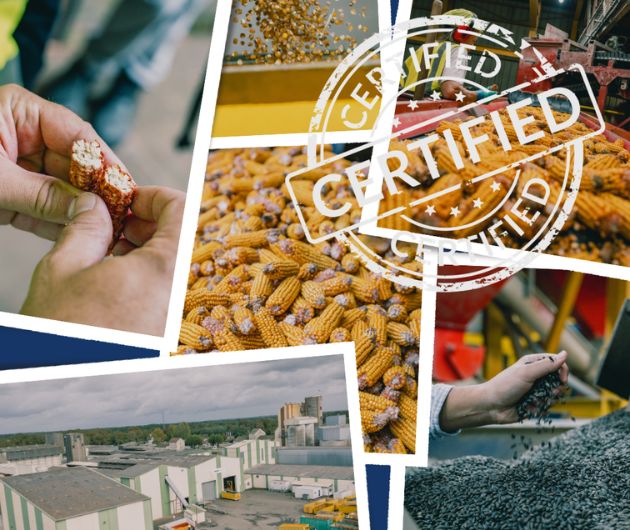
The Haut-Mauco industrial industrial site (France) has achieved ISO 50001 certification following an audit carried out by AFNOR Certification. This recognition rewards several years of collective work to better monitor, manage and reduce our energy consumption.
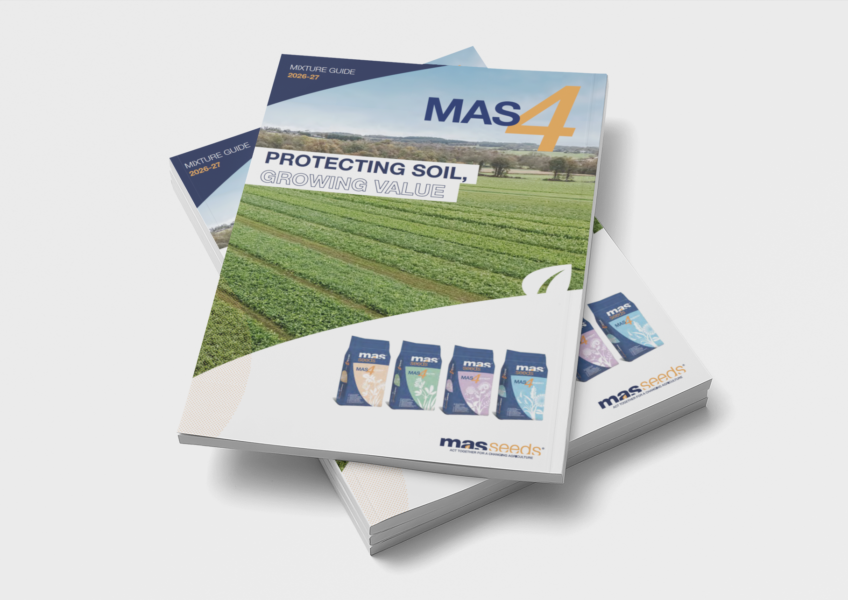
Protecting soil, growing value! MAS4 Seed Mixture Guide presents the seed mixture portfolio for a changing agriculture. The guide also lays out our convictions and our portfolio strategy.
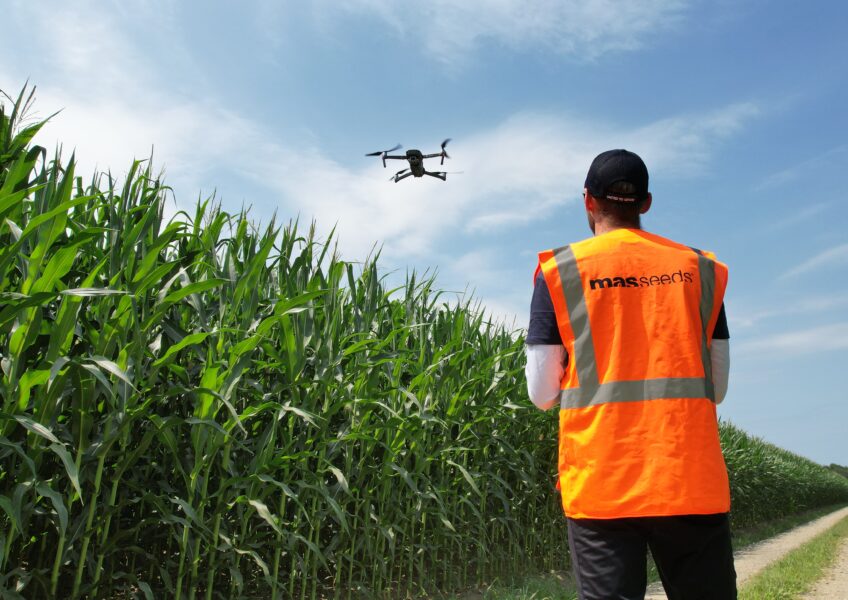
As farming conditions become increasingly unpredictable, we believe plant breeding must anticipate tomorrow's challenges rather than simply respond to today's. By combining genetics, environmental modelling, advanced phenotyping and data science, we develop reliable varieties that help farmers maintain performance in changing conditions.