

 Austria
  Belgium
  Bulgaria
  Denmark
  France
  Germany
  Italy
Italy  Netherlands
  Poland
  Portugal
  Romania
  Russia
  Serbia
  Spain
Spain  Turkey
  United Kingdom
  Ukraine
  China
China  Mexico
  Morocco
  West Africa
The key role of biomolecular lab in plant breeding 🔍🧬

In a varietal breeding program, we often think first about the trial plots. But many key decisions are actually made long before the field: in the laboratory.
At MAS Seeds, the biomolecular laboratory is a central link in the selection cycle: it turns DNA into actionable information for breeders by targeting key genes of interest (disease resistance, yield potential, tolerance to water stress…) and eliminates very early the plants that don’t match the desired profile. In practice, the team can step in as early as the 2–3 leaf stage. The result: we gain 4 to 6 months in the breeding cycle, focusing field resources on the most promising lines.
Each year, the lab generates around 14 million data points, meaning more than 500,000 DNA samples analysed in-house. This data then feeds artificial intelligence to predict the best crosses and the most promising lines. Less guesswork, more precision, and at the end of the cycle, varieties that are better adapted to real field conditions.

Find a product
Discover a full range of maize portfolio for all uses grain, silage or biogas, for organic agriculture, for temperate or tropical regions.

Contact us
Our local teams visit farms and distributors on-site to give you the best advice for your location. Find your local MAS Seeds consultant by visiting a country website or fill out our contact form here.
Discover other news and media
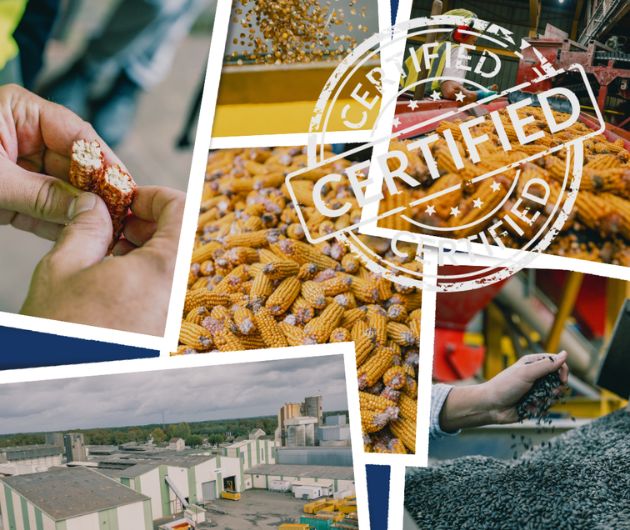
The Haut-Mauco industrial industrial site (France) has achieved ISO 50001 certification following an audit carried out by AFNOR Certification. This recognition rewards several years of collective work to better monitor, manage and reduce our energy consumption. A Long-Term Transformation Project This certification is part of the Maïsadour Group’s Ambition 2030 roadmap and MAS Seeds’ commitment […]
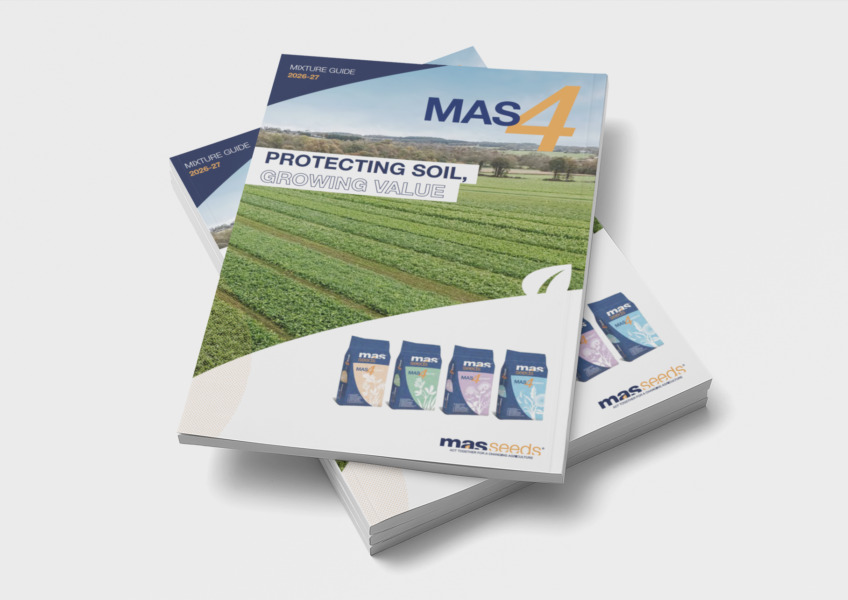
Protecting soil, growing value! MAS4 Seed Mixture Guide presents the seed mixture portfolio for a changing agriculture. The guide also lays out our convictions and our portfolio strategy. MAS4 COVER portfolio includes a wide range of cover and intercrops. MAS4 NUTRI portfolio consists of fodder mixtures for different cultivation practices or uses. MAS4 EXPERT portfolio […]
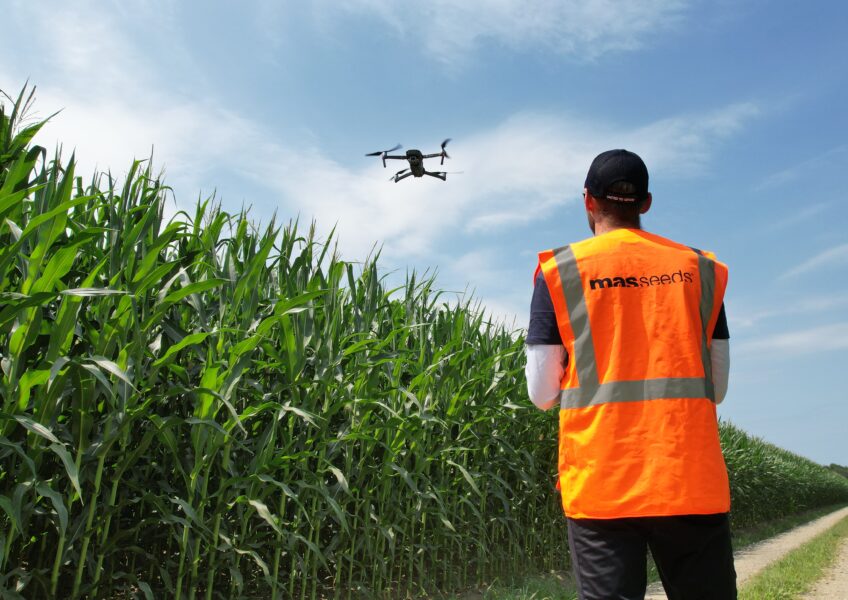
As farming conditions become increasingly unpredictable, we believe plant breeding must anticipate tomorrow’s challenges rather than simply respond to today’s. By combining genetics, environmental modelling, advanced phenotyping and data science, we develop reliable varieties that help farmers maintain performance in changing conditions. Breeding for the field of tomorrow To build resilient crops, we start by […]